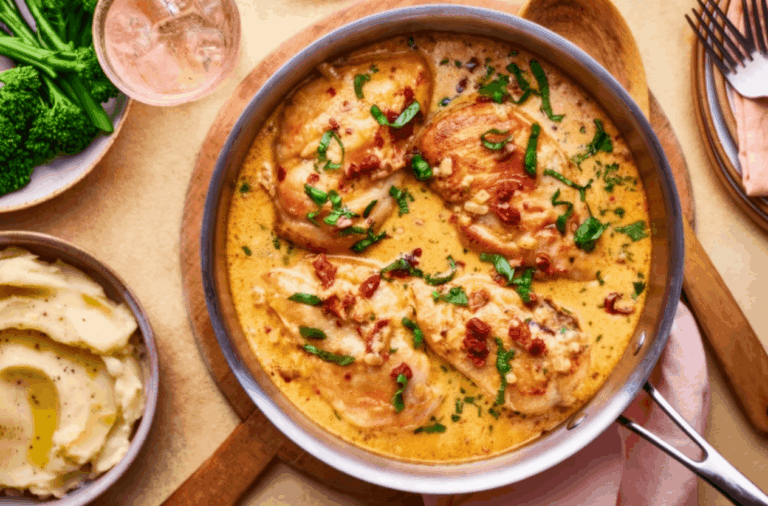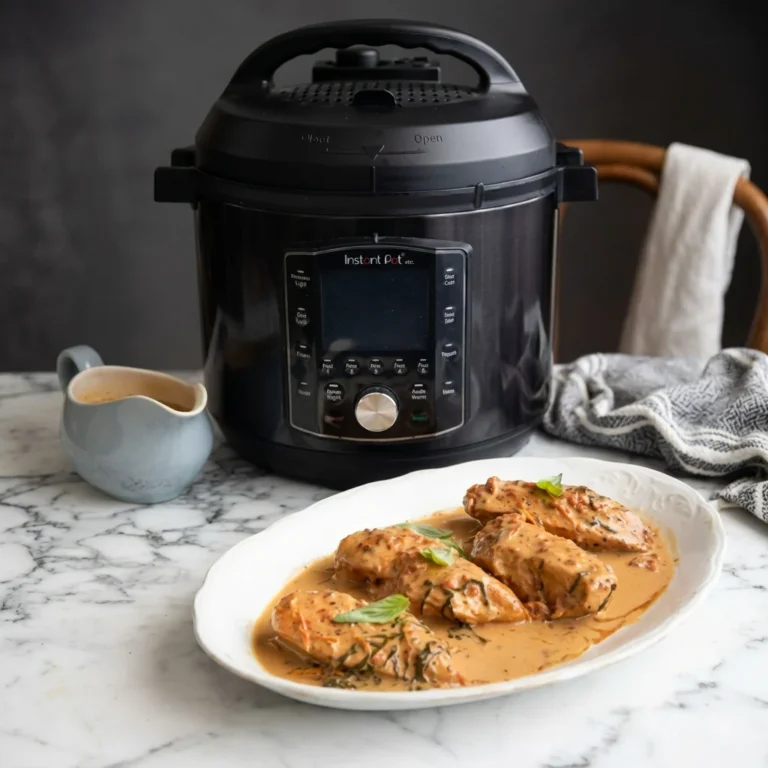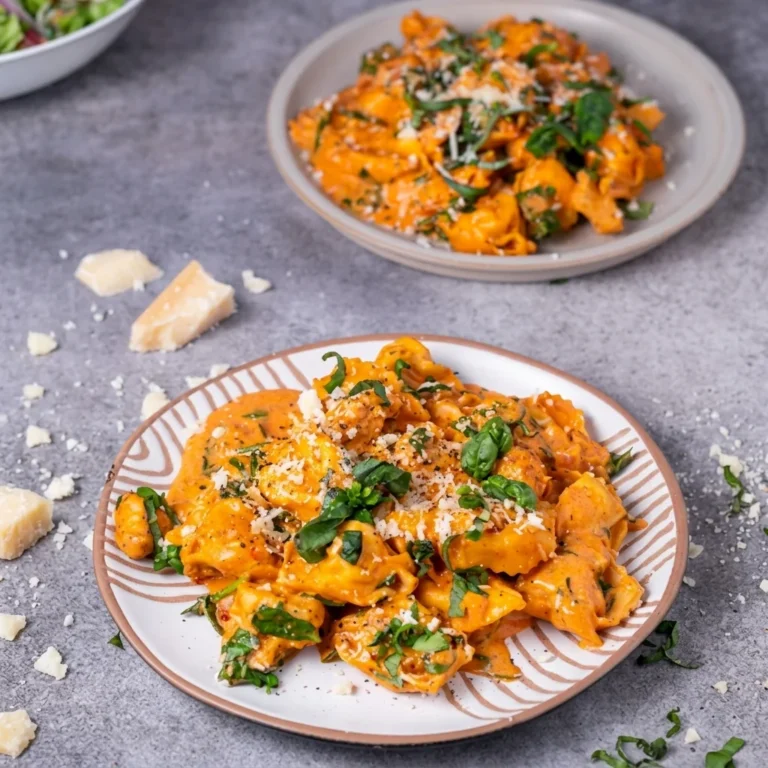
Marry Me Chicken Gnocchi: The Float Test Changes Everything
By Emily Carter. Last updated: May 2026. Recipe tested and verified.
Potato gnocchi has a 90-second window between perfectly cooked and irreparably gummy. Most marry me chicken gnocchi recipes ignore this entirely. They tell you to simmer and hope. This version does not work that way.
The sauce is built the same way as the original Mary Me Chicken: fond, sun-dried tomato oil, cream, and Parmesan added off the heat. What changes is the starch. Gnocchi releases potato starch directly into the sauce as it cooks, which means the sauce thickens from within. No roux, no cornstarch, nothing extra. The float test tells you the exact moment to stop. Miss it by 90 seconds, and the texture is gone.
This is a 30-minute skillet dinner. The gnocchi goes in raw. Everything happens in one pan.
★★★★★ “Made this on a Wednesday night. My husband asked if we were celebrating something.” : Diane K.
Key Takeaways
- Gnocchi cooks directly in the sauce. No separate boiling pot needed.
- The float test is not decorative. It is the only reliable doneness signal for gnocchi in this recipe.
- Potato starch from the gnocchi naturally thickens the sauce as it cooks.
- Parmesan goes in off the heat in three stages. This is what produces a glossy sauce.
- Shelf-stable gnocchi outperforms refrigerated in this recipe. The reason is explained below.
Video: How To Make It
What Is Marry Me Chicken Gnocchi?
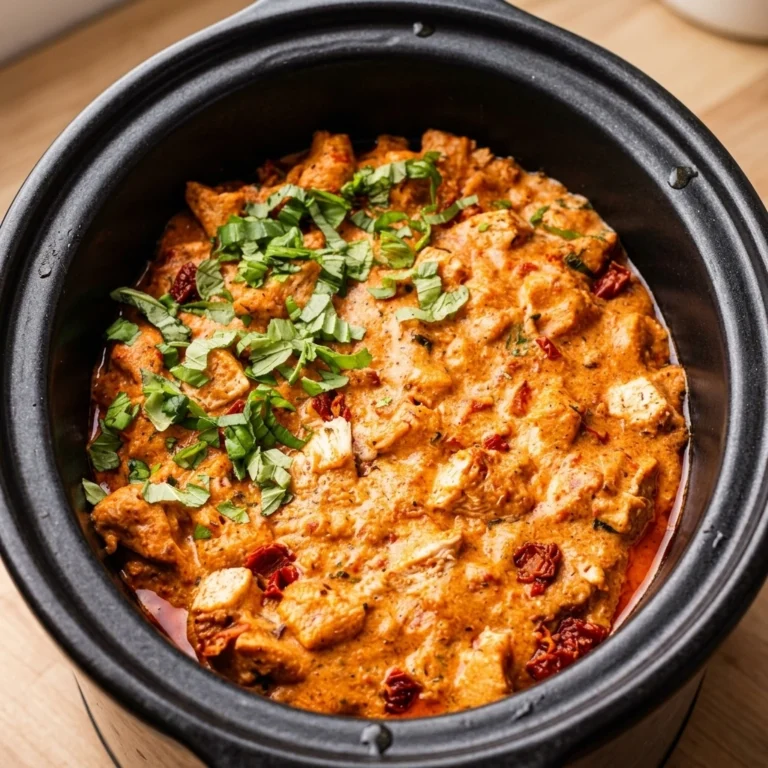
Marry me chicken gnocchi is a skillet dinner built on the same creamy sun-dried tomato sauce that made the original dish famous, with one significant swap. Instead of pasta cooked separately in boiling water, potato gnocchi is added to the sauce raw and cooked there. The starch it releases thickens the sauce naturally. The chicken is seared first, pulled out, and returned at the end so it stays juicy rather than drying out in the simmering liquid.
The name comes from the original Marry Me Chicken recipe, which became one of the most searched dishes online after going viral in 2023. The gnocchi version keeps every element that made the original work and adds a layer of texture that pasta cannot replicate.
| Detail | Information |
| Prep time | 10 minutes |
| Cook time | 20 minutes |
| Total time | 30 minutes |
| Servings | 4 |
| Calories per serving | 482 kcal |
| Protein per serving | 24.8g |
| Cooking method | One pan skillet |
| Skill level | Beginner to intermediate |
Why Gnocchi Works Better Here Than Pasta
Pasta absorbs sauce from the outside in. Gnocchi does something different. As it heats in liquid, the potato starch inside each pillow gelatinizes and migrates outward into the surrounding sauce. This is the same process that makes pasta water useful for finishing a sauce, but it happens at a much higher concentration with gnocchi. What you get is a sauce that clings to every piece instead of sitting underneath it, and no thickening agent is needed.
Timing here is less forgiving than with pasta. Pasta gives you a few extra minutes to work with. Gnocchi does not. Cooked and overcooked are separated by roughly 90 seconds, which is why watching the surface of the sauce matters more than watching the clock.
Gnocchi Types: What Works and What Does Not
| Type | Texture in Sauce | Starch Release | Recommended |
| Shelf-stable (dry aisle) | Firm, holds shape well | High | Yes best option |
| Refrigerated | Softer, can dissolve at edges | Medium | Use with care |
| Frozen | Inconsistent texture | Low | Not recommended |
| Cauliflower gnocchi | Watery, breaks apart easily | Very low | No |
| Homemade | Too delicate for this method | Low | No |
Shelf-stable gnocchi is the correct choice for this recipe. It is denser than refrigerated gnocchi, which means it holds its shape during the sauce-cooking process without turning soft at the edges.
Ingredients and Why Each One Matters
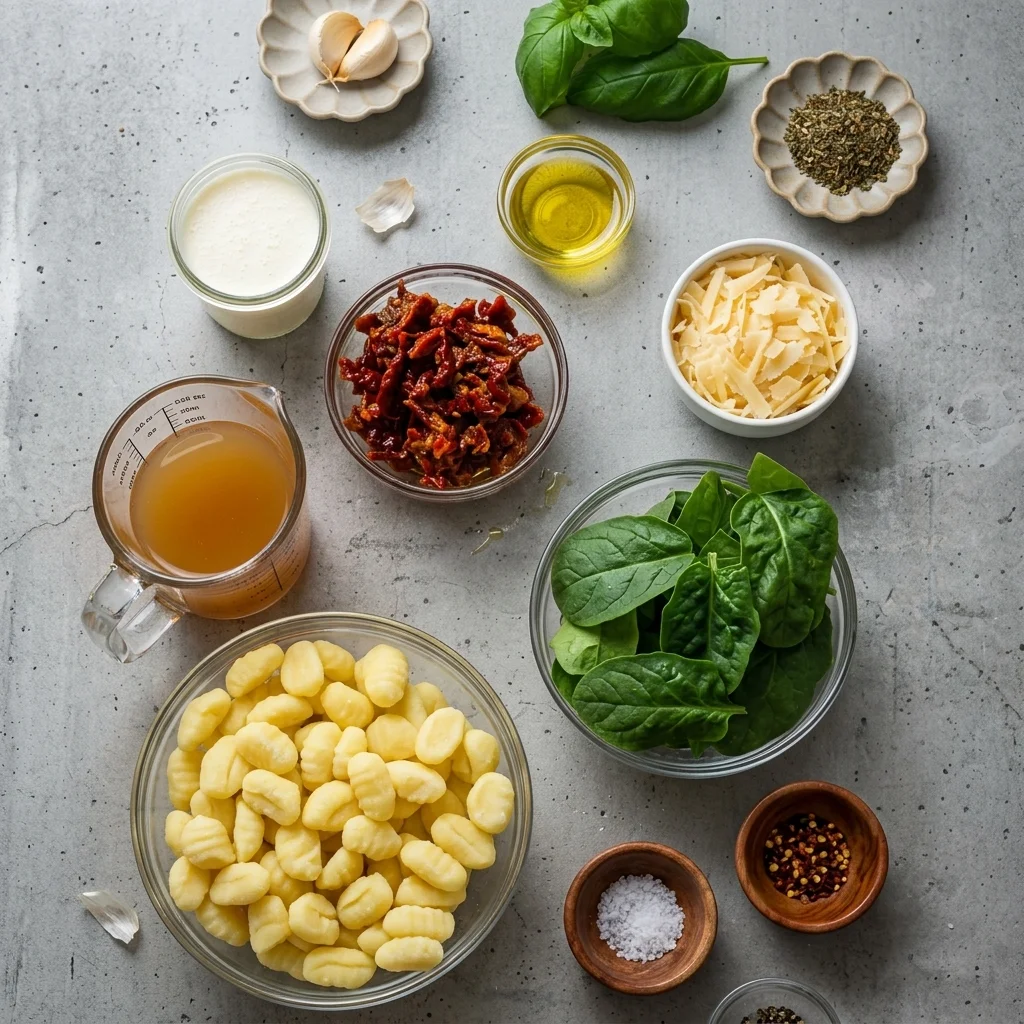
Removing or substituting any of these ingredients measurably changes the result. Understanding what each one does makes it easier to adjust the recipe confidently.
Chicken breasts, cut into 1-inch pieces: Smaller pieces cook faster and distribute evenly through the gnocchi. Whole breasts pull moisture from the sauce during the long simmer and dry out in the process.
Sun-dried tomatoes in oil: The oil in the jar is not a byproduct. It is the searing fat for the chicken. It carries concentrated tomato flavor into the fond before the sauce even begins.
Tomato paste: One tablespoon, cooked in the pan for 60 seconds until it turns brick red. This converts raw acidity into depth. Skipping this step produces a thinner and sharper sauce.
Chicken stock: Used to deglaze. Every browned bit on the pan bottom is concentrated flavor. The stock lifts it all.
Heavy cream: Not half-and-half, not whole milk. Heavy cream has enough fat to stay stable at a simmer. Lower-fat dairy breaks when it hits high heat and produces a grainy sauce.
Shelf-stable gnocchi: One pound, uncooked, added directly to the sauce.
Parmesan, freshly grated: Pre-grated Parmesan contains cellulose to prevent clumping. Cellulose does not melt. It turns the sauce gritty. Grate it yourself from a block.
Baby spinach: Added after the heat is turned down. Sixty seconds is enough. It wilts without turning grey or releasing water into the sauce.
Ingredient Substitutions
| Ingredient | Substitution | What Changes |
| Chicken breasts | Chicken thighs | Richer flavor, longer cook time needed |
| Heavy cream | Full-fat coconut cream | Dairy-free, slight coconut note in the background |
| Parmesan | Pecorino Romano | Saltier, sharper finish |
| Sun-dried tomatoes | Roasted red peppers | Milder, less umami depth |
| Baby spinach | Kale | Chewier texture, add 2 minutes earlier |
| Chicken stock | Vegetable stock | Works well, slightly lighter result |
How To Make Marry Me Chicken Gnocchi
Step 1: Season and Sear the Chicken
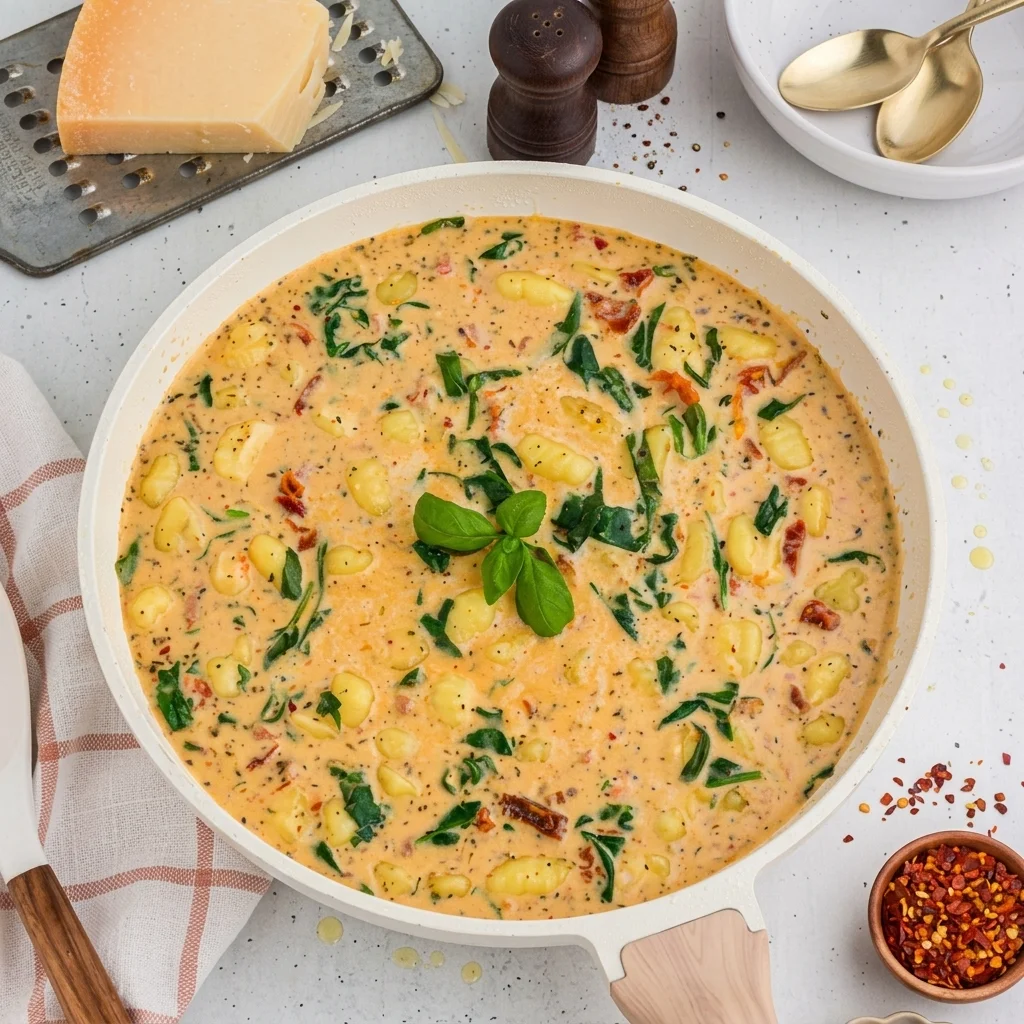
Cut chicken into 1-inch pieces. Season with salt, black pepper, garlic powder, and paprika. Heat the sun-dried tomato oil from the jar in a large skillet over medium-high heat. Add chicken in a single layer. Do not stir for 3 minutes. Let the crust form. Flip once and cook 2 more minutes. Pull the chicken out and set it aside. It will finish cooking when it returns to the sauce.
Step 2: Build the Sauce Base
Reduce heat to medium. Add minced garlic to the same pan and cook for 30 seconds. Add tomato paste. Press it into the pan and let it sit undisturbed for 60 seconds. It will darken from bright red to brick red. That color shift is flavor converting from sharp and raw to deep and savory. Add the sun-dried tomatoes and stir everything together.
Step 3: Deglaze and Reduce
Pour in the chicken stock. Use a wooden spoon to scrape every browned bit from the pan bottom. Those bits are the backbone of the sauce. Raise the heat slightly and let the stock reduce by one-third. This concentrates flavor before the cream goes in.
Step 4: Add the Cream
Reduce the heat to medium-low. Pour in the heavy cream. Stir to combine. Let it come to a gentle simmer. Do not boil. Boiling cream at this stage breaks the fat and produces a greasy sauce rather than a glossy one.
Step 5: Cook the Gnocchi
Add the shelf-stable gnocchi directly into the simmering sauce. Do not pre-boil. Stir gently to submerge each piece. Set a timer for 4 minutes. Watch the surface of the sauce. When individual gnocchi pieces begin to rise and float, taste one immediately. Tender with a slight chew means done. Soft all the way through means overcooked. Pull the pan off the heat the moment the texture is right.
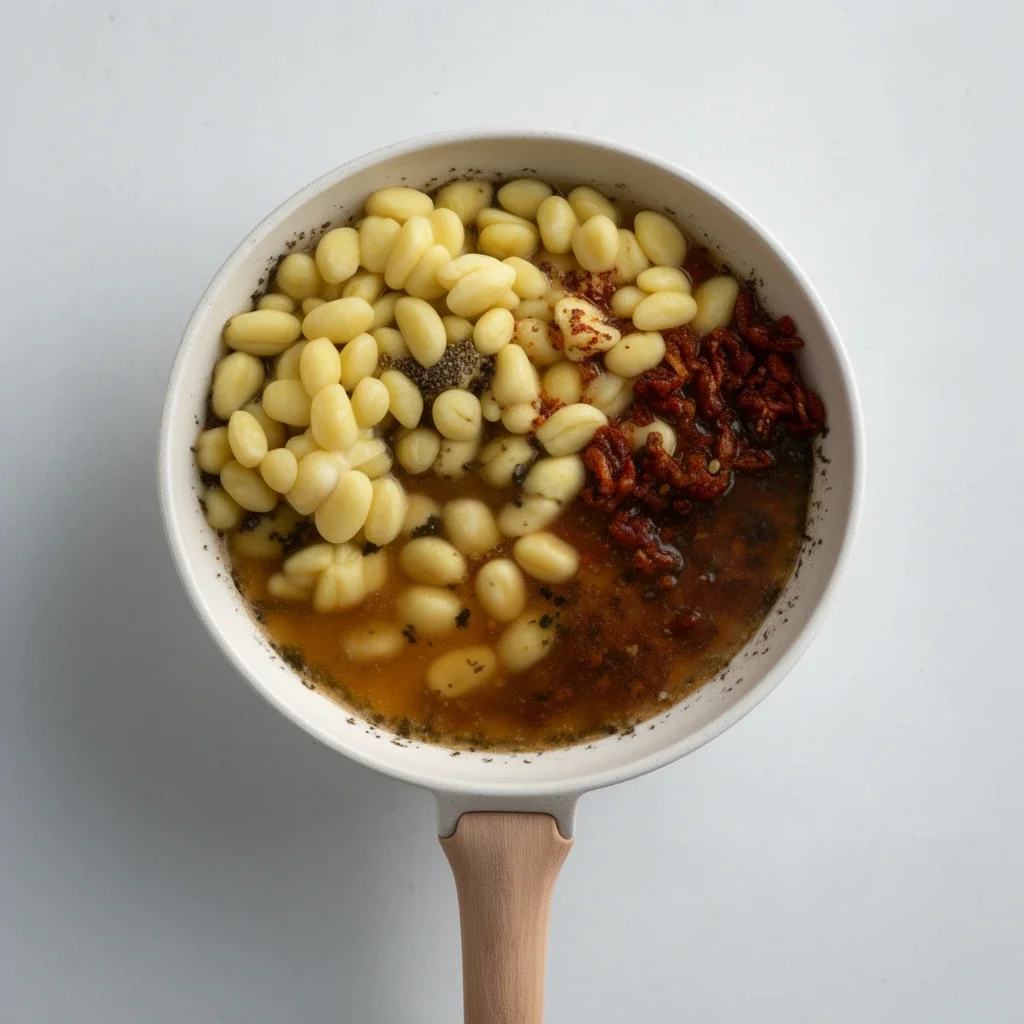
Step 6: Finish With Parmesan and Return the Chicken
Turn the heat off completely. Add spinach and stir until it wilts, about 60 seconds. Add freshly grated Parmesan in three separate additions. Stir fully between each addition. The residual heat melts the cheese without breaking the emulsion. Return the seared chicken to the pan and stir to combine. Taste for salt. Serve immediately.
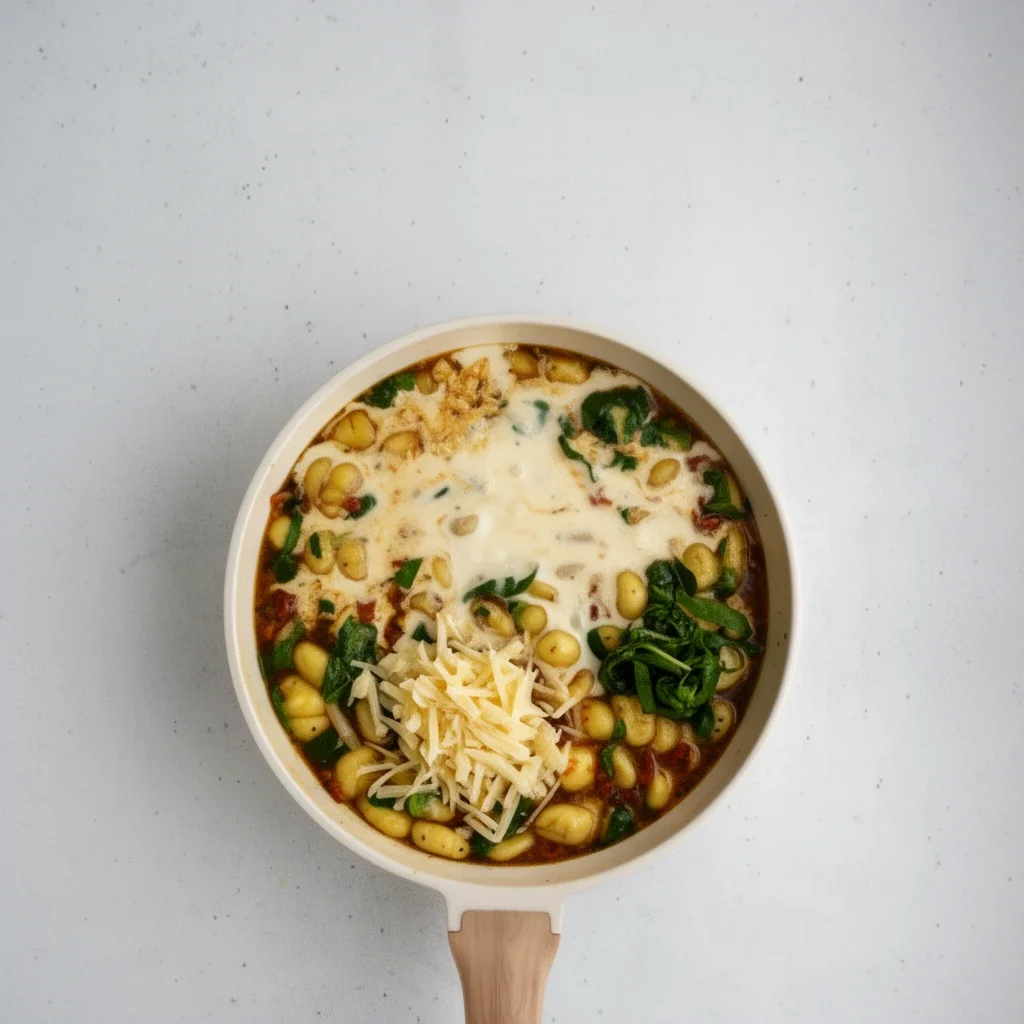
The Float Test: What It Actually Means
Gnocchi floats because of physics, not magic. As the potato starch inside each pillow heats up, it absorbs water and swells. The density of the gnocchi decreases as the interior expands. When the pillow becomes less dense than the surrounding liquid, it rises to the surface.
This is a reliable doneness signal because it happens at a consistent internal temperature regardless of gnocchi size or brand. The problem is what happens after. Once gnocchi floats, it continues cooking. The starch keeps absorbing liquid and the interior goes from tender to soft to gummy in roughly 90 seconds.
The correct action when gnocchi floats is to taste one immediately, not to wait. If it is tender with a slight resistance in the center, pull the pan off the heat. If it needs 30 more seconds, give it exactly that.
Where Most of the Time Recipes Go Wrong: Everyone says to cook gnocchi until it floats and then keep simmering for a few more minutes. This is where the texture goes wrong. The float is the finish line, not a midpoint checkpoint.
What I Tested: 3 Variables
Test 1: Pre-boiled Gnocchi vs. Raw Into Sauce
Two identical batches, one variable. First, I boiled the gnocchi separately until floating, drained it, and added it to the finished sauce. In the second step, I added raw gnocchi directly to the simmering sauce. The pre-boiled version produced gnocchi that sat in the sauce without connecting to it. The sauce stayed thin. The raw version released starch into the sauce as it cooked, which thickened it naturally and coated each piece evenly. Raw gnocchi directly into the sauce produces a better result every time.
Test 2: Heavy Cream vs. Whole Milk
Both were tested at identical simmer temperatures. The whole milk version broke within 4 minutes of gentle simmering and produced a thin, slightly greasy sauce with visible fat separation. The heavy cream version stayed stable and glossy throughout. The fat content in heavy cream is what keeps the emulsion intact under heat. Whole milk does not have enough fat to do the same job.
Test 3: Parmesan Added In Sauce vs. Off Heat
One cup of freshly grated Parmesan was added directly into the simmering sauce in the first test. The result was grainy with small clumps that were never fully incorporated. In the second test, the heat was turned off completely before adding the Parmesan in three stages. The result was a smooth, glossy sauce with no graininess. Above a certain temperature, the proteins in Parmesan seize and clump rather than melt. Off the heat, they incorporate smoothly.
Common Mistakes and How To Fix Them
| Mistake | What Causes It | How To Fix It |
| Gummy gnocchi | Cooking past the float by more than 90 seconds | Pull the pan off the heat the moment the gnocchi is tender |
| Grainy sauce | Parmesan is added while the pan is still on the heat | Always add Parmesan off heat in three stages |
| Thin watery sauce | Cream is added before the stock is reduced enough | Reduce stock by one-third before cream goes in |
| Dry chicken | Chicken simmered in the sauce for too long | Sear separately, return only at the very end |
| Broken cream sauce | Heat too high after the cream is added | Keep at a gentle simmer, never a rolling boil |
| Bland sauce | The tomato paste was not cooked long enough | Cook paste 60 seconds until color darkens to brick red |
Variations
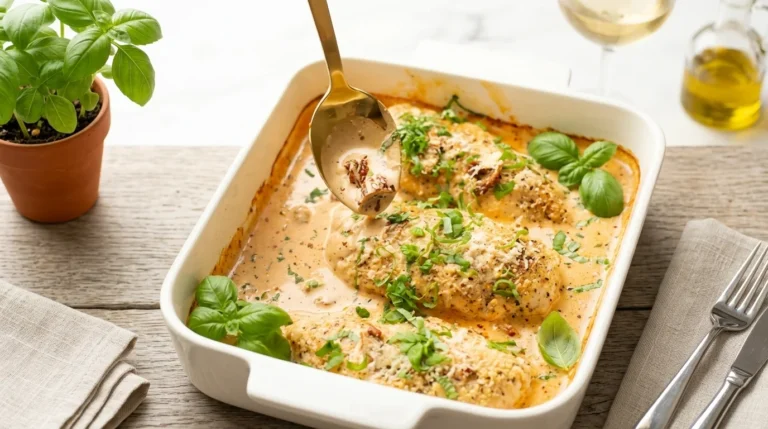
Marry Me Chicken Gnocchi Bake
Transfer the finished skillet mixture into a baking dish before adding the final Parmesan. Top with additional Parmesan and a handful of breadcrumbs. Bake at 400 degrees F (200 degrees C) for 12 minutes until the top is golden and the edges are bubbling. The baked version produces a slightly thicker, drier texture than the skillet version. It holds better for serving a crowd because it does not need to go directly from pan to plate.
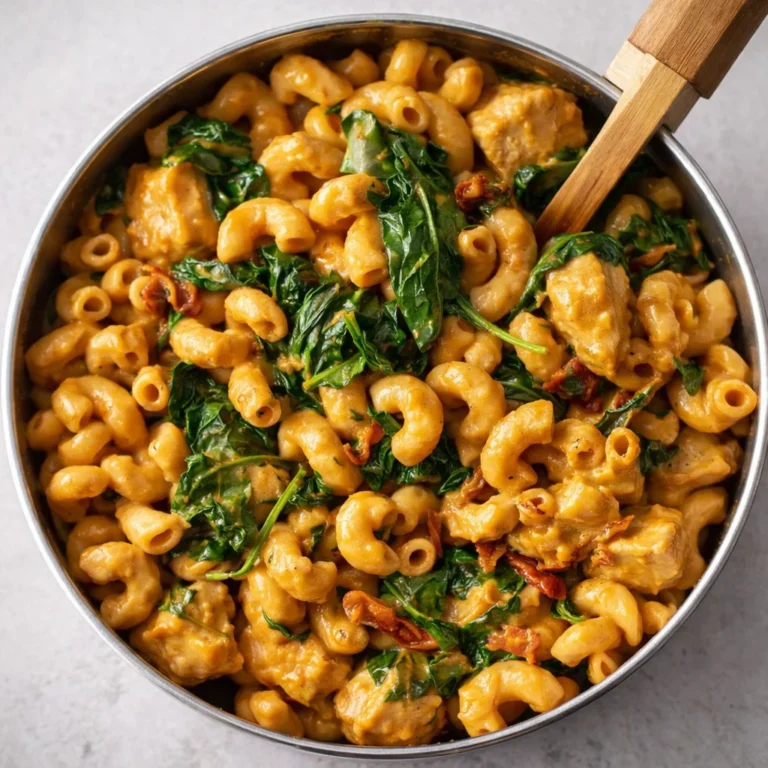
For the same creamy sun-dried tomato sauce with pasta instead of gnocchi, the Marry Me Chicken Pasta version is worth trying next.
Spicy Version
Add one teaspoon of red pepper flakes with the garlic in step 2. The heat blooms in the oil and distributes evenly through the sauce rather than sitting on top.
Dairy-Free Version
Replace heavy cream with full-fat coconut cream and use nutritional yeast in place of Parmesan. The sauce will have a slightly different flavor profile, but the texture stays consistent because coconut cream has a similar fat content to heavy cream.
What To Serve With Marry Me Chicken Gnocchi
This dish is rich enough to stand on its own. The sauce is heavy, and the gnocchi is filling, so anything alongside it should be light and acidic to balance the richness.
A simple arugula salad with lemon juice and olive oil is the most effective pairing. The bitterness of the arugula cuts through the cream, and the acid from the lemon resets the palate between bites.
Garlic bread works well if the goal is a more filling meal. It is useful for getting every bit of sauce from the pan.
Roasting broccoli at 425 degrees F (220 degrees C) for 20 minutes until the edges char adds texture contrast that the dish does not provide on its own.
Avoid heavy starches alongside this recipe. Adding potatoes or rice next to a potato-based gnocchi dish in a cream sauce results in a meal that is starchy from start to finish with no contrast.
Storage, Reheating, and Freezing
Refrigerator: Store in an airtight container for up to 3 days. The gnocchi will continue absorbing the sauce as it sits, so leftovers will be drier than the original dish.
Reheating: Add 2 to 3 tablespoons of chicken stock or water to the container before reheating. Warm over low heat on the stovetop, stirring gently. The added liquid restores the sauce consistency and prevents the gnocchi from drying out further. Microwave reheating produces uneven results because gnocchi heats unevenly.
Freezing: Not recommended. Gnocchi changes texture dramatically after freezing and thawing. The potato starch breaks down, and the result is watery and soft, not close to the original dish.
| Storage Method | Duration | Notes |
| Refrigerator | Up to 3 days | Add stock when reheating to restore the sauce |
| Freezer | Not recommended | Gnocchi texture breaks down completely |
| Room temperature | Up to 2 hours | Cream-based sauce food safety limit |
Is Gnocchi More Unhealthy Than Pasta?
The answer is more nuanced than most sources suggest. Registered dietitian Grace Derocha, speaking to TODAY.com, confirmed that gnocchi is naturally lower in calories and carbohydrates per serving than traditional pasta. However, because gnocchi is denser, a standard serving looks smaller than an equivalent weight of pasta, which leads most people to eat more of it.
| Nutrient | Gnocchi (per 100 g) | Pasta (per 100 g) |
| Calories | 183 kcal | 220 kcal |
| Carbohydrates | 30 to 35g | 40 to 45g |
| Protein | 2 to 3g | 7 to 8g |
| Fiber | 1 to 2g | 1 to 2g |
| Glycemic Index | 70 | 50 |
| Sodium | 500 to 600mg | Less than 10mg |
The practical difference between the two is smaller than the numbers suggest. Gnocchi has fewer carbohydrates but significantly less protein than pasta. It also has a higher glycemic index of 70 compared to pasta’s 50, meaning it raises blood sugar faster, according to NutriScan. In the context of this recipe, the chicken provides the protein and the sauce provides the fat, so the gnocchi functions as the starch base rather than a nutritional centerpiece.
Frequently Asked Questions
How do I make marry me chicken gnocchi?
Sear seasoned chicken pieces in sun-dried tomato oil, then set aside. Cook garlic and tomato paste in the same pan until the paste darkens. Add stock and scrape up the fond. Pour in heavy cream and bring to a gentle simmer. Add raw shelf-stable gnocchi directly into the sauce and cook until the pieces float. Taste immediately and pull off heat when tender. Stir in spinach, add Parmesan off the heat in three stages, return the chicken, and serve.
Can I use frozen gnocchi in this recipe?
Frozen gnocchi is not recommended here. It releases excess water as it thaws in the sauce, which dilutes the cream and prevents proper thickening. Shelf-stable gnocchi from the dry pasta aisle produces the most consistent results.
Why did my sauce break and turn greasy?
Two things cause this. The first is cooking the cream at too high a temperature. Keep the heat at a gentle simmer after the cream goes in. The second is adding Parmesan while the pan is still on the heat. Always turn the heat off completely before the cheese goes in.
Can I make this ahead of time?
The sauce can be made up to 24 hours ahead and stored in the refrigerator. Cook the gnocchi fresh when ready to serve. Gnocchi stored in sauce overnight absorbs most of the liquid and loses its texture by the next day.
Chicken breast or chicken thighs, which works better?
Both work but produce different results. Chicken breast, cut into small pieces, cooks faster and distributes evenly through the dish. Chicken thighs have more fat, which adds richness to the sauce, but they need a slightly longer sear time to render properly.
Can I add vegetables to this recipe?
Yes. Mushrooms, bell peppers, and zucchini all work well. Add them to the pan after the garlic and before the tomato paste so they have time to soften. Avoid vegetables with high water content cut too thick, as they release liquid into the sauce.
Is this recipe gluten-free?
Standard gnocchi contains wheat flour and is not gluten-free. Gluten-free gnocchi is available in most grocery stores in the specialty aisle. The sauce itself is naturally gluten-free. Confirm that the chicken stock used is also labeled gluten-free.
How do I know when the gnocchi is fully cooked through?
The float test is the most reliable indicator. When individual pieces rise to the surface of the sauce, taste one immediately. It should be tender with a very slight resistance in the center. If it is soft all the way through, it is overcooked. Pull the pan off the heat as soon as the texture is right
Can I use cauliflower gnocchi instead of potato gnocchi?
Cauliflower gnocchi is not suitable for this recipe. It has a much lower starch content than potato gnocchi, which means it does not thicken the sauce naturally. It also has a higher water content and tends to break apart when cooked directly in a simmering liquid.
Conclusion:
Marry me chicken gnocchi works because of one thing most recipes skip entirely. The gnocchi does not just fill the dish. It thickens the sauce from within as it cooks, which means every bite carries more flavor than any pasta-based version can produce.
The float test is not complicated. It asks for attention, not skill. Watch the surface, taste the moment a piece rises, and pull the pan off the heat. That single habit is the difference between gnocchi that holds its shape and gnocchi that turns soft before it reaches the table.
The sauce is the same one that made the original marry me chicken famous. The sun-dried tomato oil, the brick-red tomato paste, the Parmesan added off the heat in three stages. Nothing here is new. What changes is the starch, and that starch changes everything.
The first time you make this, set a timer and watch the pan. By the second time, you will not need either.
Recipe Card:
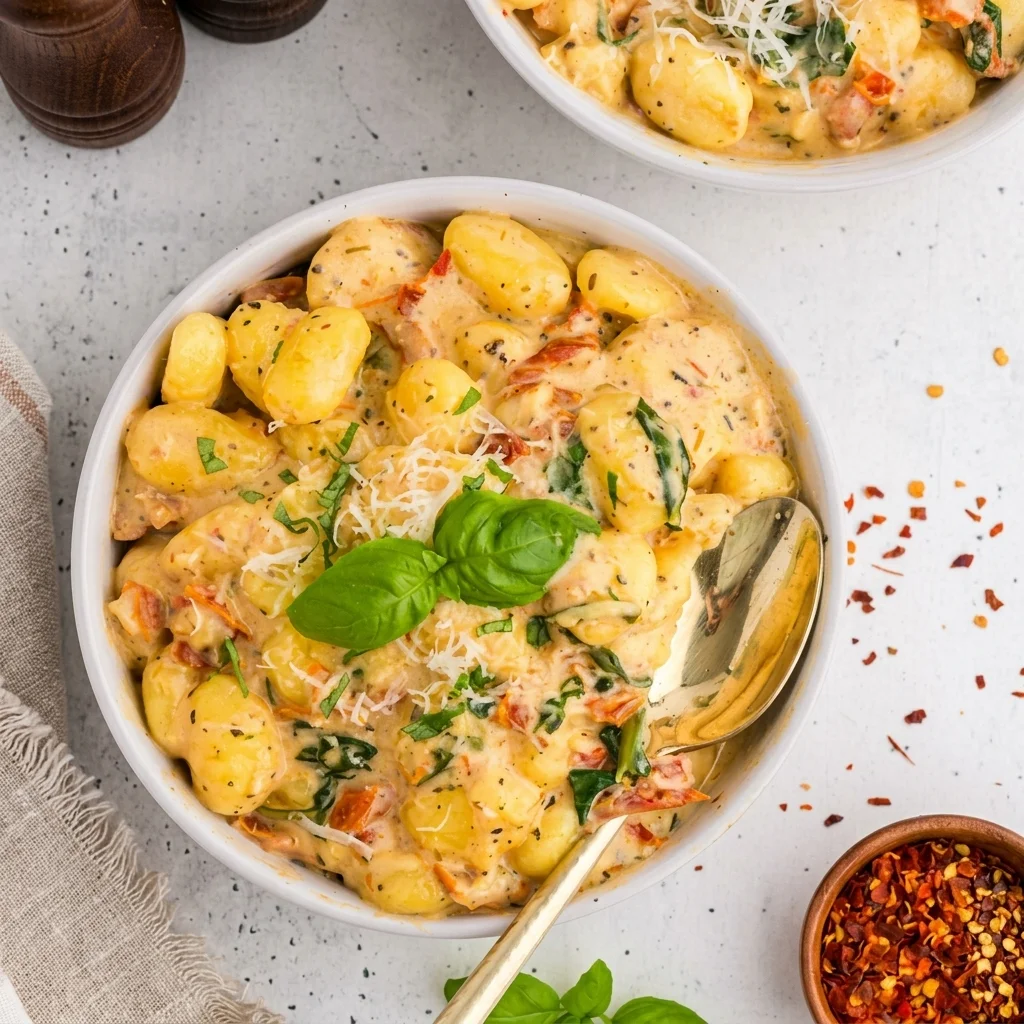
Marry Me Chicken Gnocchi
Ingredients
Chicken:
- 1.5 lb boneless skinless chicken breasts cut into 1-inch pieces
- 1 tsp kosher salt
- 1/2 tsp black pepper
- 1 tsp garlic powder
- 1/2 tsp smoked paprika
Sauce:
- 2 tbsp oil from the sun-dried tomato jar
- 4 garlic cloves minced
- 1 tbsp tomato paste
- 1/2 cup sun-dried tomatoes in oil drained and roughly chopped
- 1/2 tsp dried oregano
- 1/2 tsp dried thyme
- 1/4 tsp red pepper flakes
- 1 cup low-sodium chicken stock
- 1 cup heavy cream
Gnocchi:
- 1 lb shelf-stable potato gnocchi uncooked
To Finish:
- 2 cups baby spinach
- 3/4 cup Parmesan freshly grated from a block
- 1/4 cup fresh basil leaves torn
Instructions
- Step 1: Season and Sear the Chicken Pat chicken dry with paper towels. Season with salt, black pepper, garlic powder, and smoked paprika. Heat sun-dried tomato oil in a large skillet over medium-high heat. Add chicken in a single layer. Do not stir for 3 minutes. Let the crust form. Flip once and cook 2 more minutes until golden. Transfer to a plate and set aside.
- Step 2: Build the Sauce Base Reduce heat to medium. Add minced garlic to the same pan and cook for 30 seconds until fragrant. Add tomato paste and press it flat into the pan. Let it sit undisturbed for 60 seconds until it darkens from bright red to brick red. Add sun-dried tomatoes, oregano, thyme, and red pepper flakes. Stir everything together for 30 seconds.
- Step 3: Deglaze and Reduce Pour in chicken stock. Use a wooden spoon to scrape every browned bit from the pan bottom. Raise the heat to medium-high and let the stock reduce by one third, about 3 minutes.
- Step 4: Add the Cream and Gnocchi Reduce heat to medium-low. Pour in heavy cream and stir to combine. Bring to a gentle simmer. Do not boil. Add shelf-stable gnocchi directly into the simmering sauce. Do not pre-boil. Stir gently to submerge each piece. Set a timer for 4 minutes and watch the surface of the sauce.
- Step 5: The Float Test When individual gnocchi pieces begin to rise and float, taste one immediately. Tender with a slight chew means done. Soft all the way through means overcooked. Pull the pan off the heat the moment the texture is right.
- Step 6: Finish With Spinach and Parmesan With the heat completely off, add spinach and stir until wilted, about 60 seconds. Add Parmesan in three separate additions, stirring fully between each one. The residual heat melts the cheese without breaking the sauce.
- Step 7: Return Chicken and Serve Return the seared chicken and any resting juices to the pan. Stir to combine. Taste for salt. Top with fresh basil and serve immediately.
Notes
Nutrition Per Serving
| Nutrient | Amount |
| Calories | 482 kcal |
| Carbohydrates | 36.5g |
| Protein | 24.8g |
| Fat | 23.5g |
| Cholesterol | 107mg |
| Sodium | 465mg |
| Fiber | 0.9g |
| Sugar | 3.3g |
The first time I tested this recipe, I treated gnocchi the same way I treat pasta and left it simmering while I finished setting the table. By the time I came back, the sauce was thick, but the gnocchi had lost its texture. After several test batches, I realized the float wasn’t just a sign of doneness; it was the moment to start paying attention.
About the Author
By Emily Carter, Recipe Developer and Culinary Instructor. Trained at the Institute of Culinary Education, New York. Six years in professional kitchens. Every recipe on this site is tested a minimum of three times before publication. If it does not work reliably, it does not get published.
⭐ Rate This Recipe
Have you made this? Leave a star rating below and tell us how it turned out. Your feedback helps other home cooks find this recipe and trust it before they make it.